Research and Selection

How a property earns its place

Three levels of research determine whether a property earns its place: builder/developer, location, and the characteristics of the property. The sections that follow explain how each is assessed before an opportunity is surfaced for consideration.

84%

Didn't meet the brief

16%

Met the brief

10

Markets across Australia

12 yrs

Refining the process

The research

The more complex the market,
the more disciplined we get

Research over speculation. Evidence over emotion. Every opportunity is assessed across three levels: the builder/developer, the location, and the property itself.

The builder and developer behind a property
Level 1

Quality of the
builder and developer

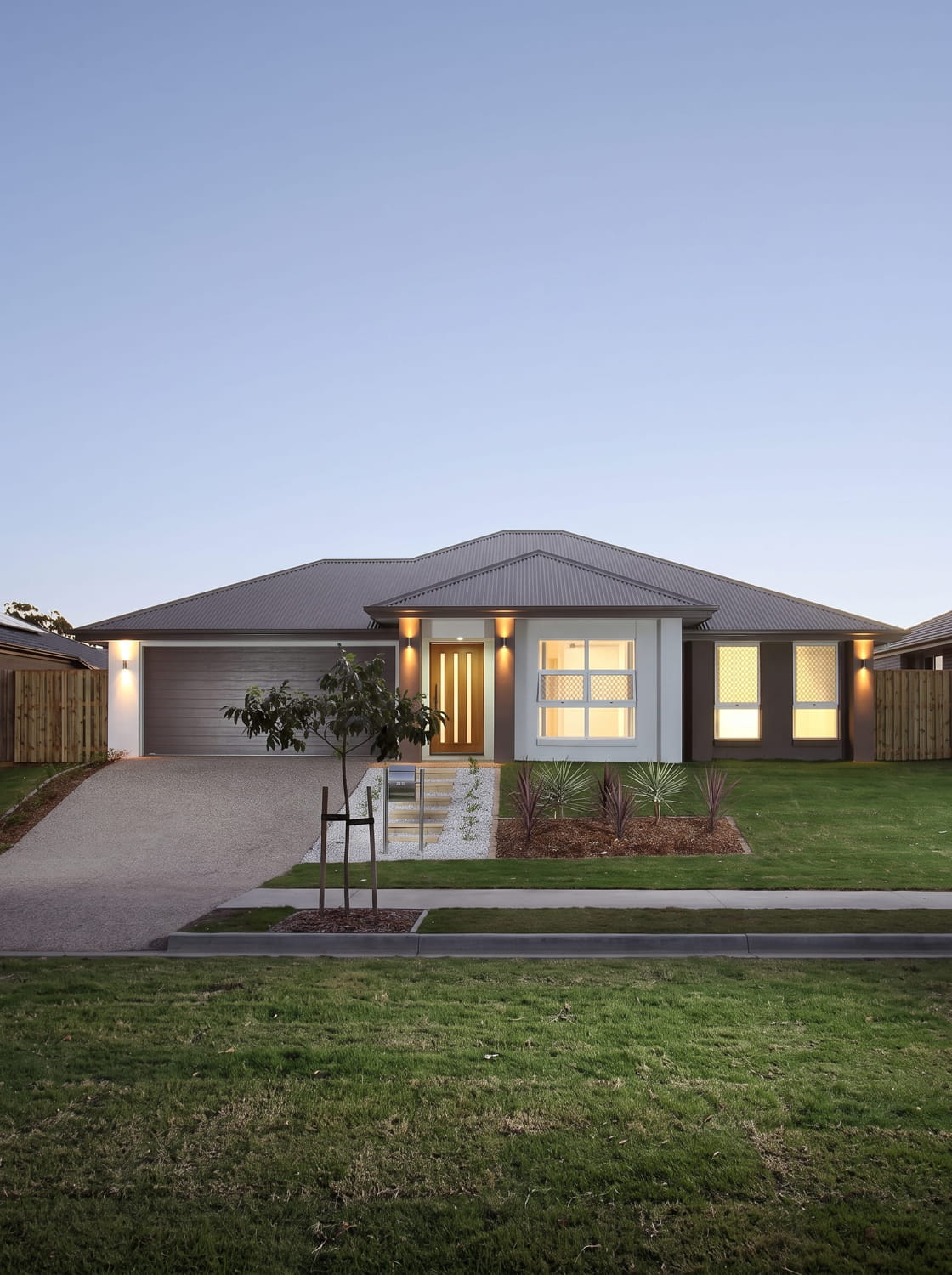
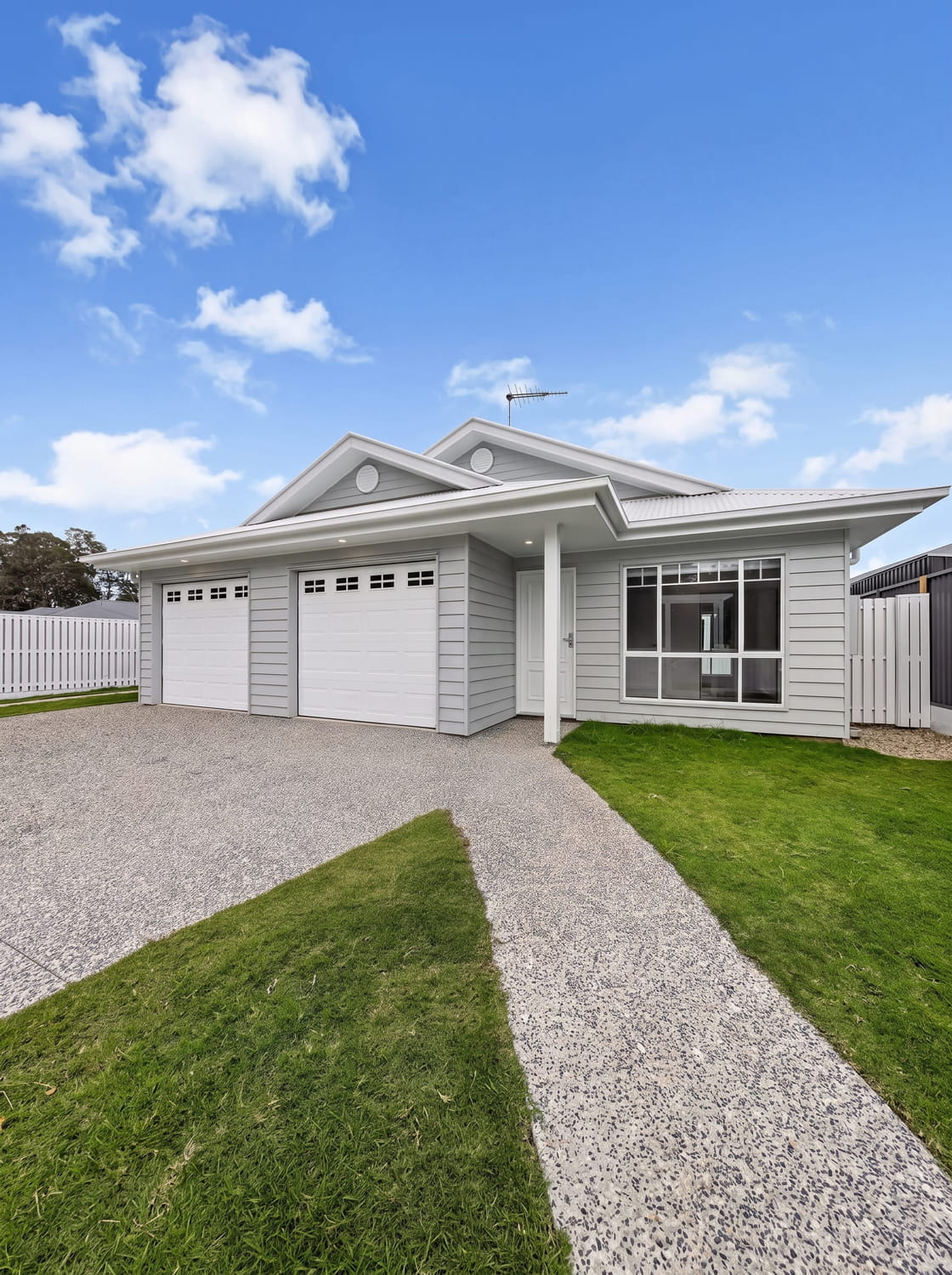
Research extends beyond the property itself. We look for builders and developers with a proven record of delivering well and standing behind what they build. Some opportunities are completed, others are under construction, and many are available before public release. Whatever the stage, the builder remains responsible for the build itself, while our focus stays on shortlisting opportunities that support the client's strategy and guiding them through the purchase process.
Reading the leading indicators behind a location
Level 2

Quality of the location

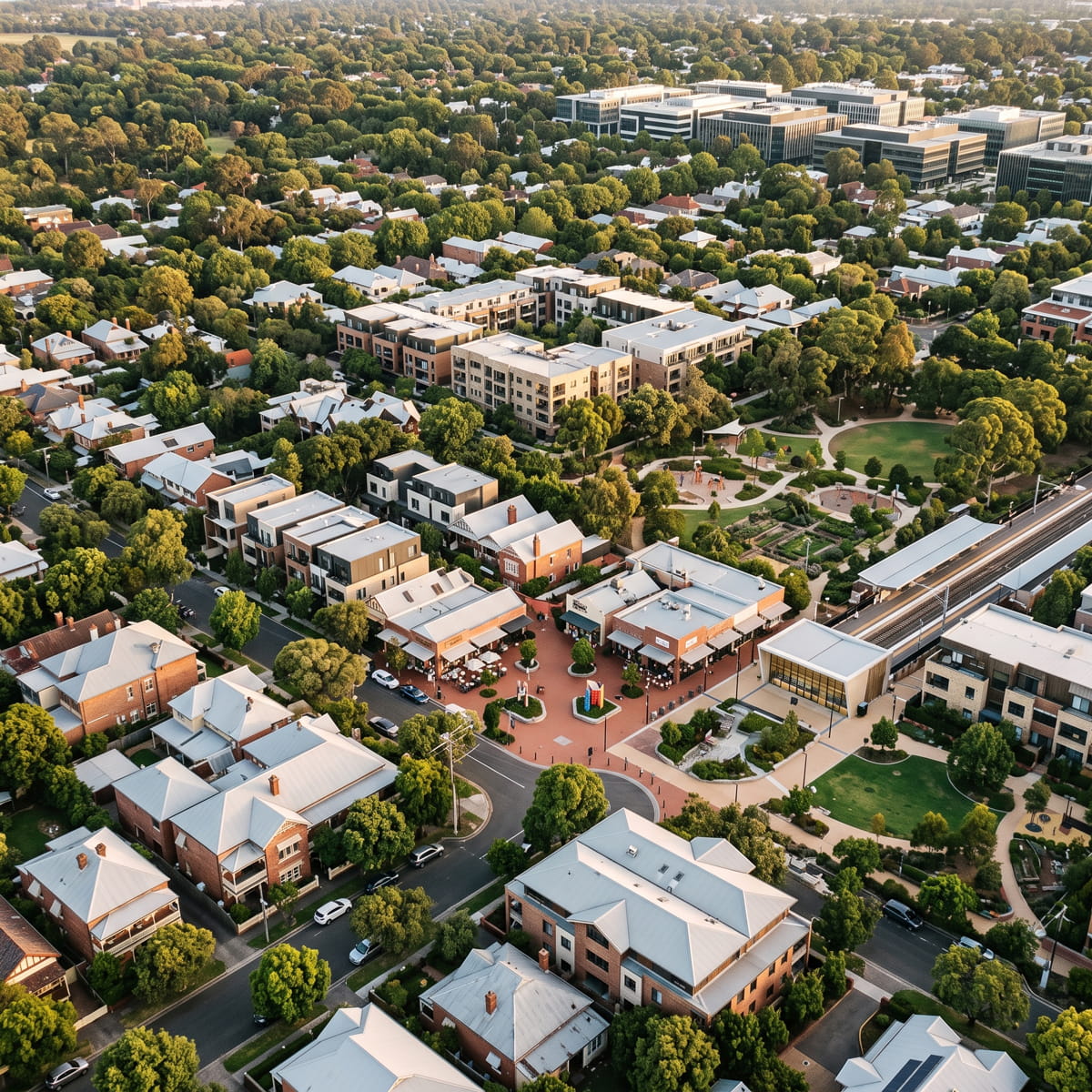
We assess markets from the top down, moving from cities to regions, suburbs and local pockets to understand where demand is heading. Population growth, infrastructure investment and employment hubs, together with the catalysts that attract people to an area, such as a new train station, school zones, a university or major job creation, help shape that picture. We favour owner-occupied areas with genuine local demand, where competition from other investors is lower and rental markets remain tight. Vacancy rates, tenant profile, and hazards such as flood and flight paths all form part of the same assessment.

Assessing the build specification against the brief
Level 3

Quality of the property characteristics

We study floor plans so the layout works in everyday life, and we hold the specification to a turnkey standard: quality inclusions, practical storage, and the finishes tenants notice. Local property managers help us understand what renters in each market actually value, from ceiling fans in Queensland to heating in Melbourne. Resale appeal is considered from the beginning, looking for homes that owner-occupiers are likely to want in the future. The finished build remains the builder's responsibility, and independent buyer due diligence remains with the buyer.

Australian markets we research continuously

The Research Culling Process

Fundamentals outlast the cycle

Property markets move in cycles. Our research looks past that movement to the conditions that keep mattering as markets change. Before any opportunity moves forward, all five fundamentals have to align.

The five fundamentals

  • Economy

    Is the local economy strong and diversifying, with new industries and catalysts driving growth?

  • Infrastructure

    Is infrastructure planning and government investment opening up access to those economic hubs?

  • Population

    Is population growth steady and consistent, and who is moving to the area?

  • Planning

    Is supply balanced against demand, and where is the competitive edge?

  • Investment appeal

    Will the property appeal to tenants now, and to buyers at resale?

We are not afraid to say no

The characteristics that hold a property back

  • 01

    Oversupply

    New stock arriving faster than the market can absorb, which caps growth and crowds resale.

  • 02

    Investor saturation

    Markets stacked with investors, where competition is high and owner-occupier demand is thin.

  • 03

    Chasing cash flow

    Buying for yield alone, often in single-industry or higher-risk locations that can turn quickly.

What we look for

The signals that move a property forward

  • Leading indicators

    Signals that point to where a market is heading.

  • Owner-occupier appeal

    Genuine local demand and a tighter rental market, with resale in mind.

  • Point of difference

    An edge nearby: a station, a school, or extra living space.

Responsibility split

Every stage has a clear owner

API

  • Researches and shortlists opportunities through the Research Culling Process
  • Presents properties for the buyer's consideration
  • Facilitates the purchase and supports the buyer through to settlement
  • Prepares a pre-settlement kit and checklist for handover

Builder

  • Delivers the build
  • Manages construction quality and defect rectification
  • Carries applicable warranty obligations

Buyer

  • Completes independent due diligence
  • Their choice of inspector at handover, which API can facilitate
  • Makes the final purchase decision

Legal, finance and tax matters remain with the buyer's chosen professionals. Build delivery, finish and applicable warranty obligations remain with the builder.

FAQs

Questions we're often asked

  • Why don't you publish a property list?
    The opportunities we look for are fluid, and many are never advertised to the public. A listing tells only part of the story. Without the strategy and research behind it, it's easy to dismiss a property that may be well suited to you. We are always researching and building a pool of opportunities, but until we understand your needs and goals, there is no sound way to know which of them to shortlist. So we start with you, and match the property to your brief.
  • How does API decide which builders to work with?
    We assess a builder's track record, including how they deliver against contract, how they manage defects, and the reputation they've built over time. Just as importantly, we look at how they respond when something goes wrong, not only when everything goes to plan. Beyond that, we align ourselves with builders and developers whose locations, build specifications and deliverables support long-term investment performance, and who value strong relationships with both API and our clients. Our role is to research and screen opportunities before they're presented to a client. Once a builder is selected, the build itself, including construction quality and defect resolution, remains the builder's responsibility.
  • What if there's a defect after settlement?
    Builder warranties cover most issues for new builds. Independent inspections at handover catch what they can. API doesn't carry post-settlement construction responsibility, but we do what we can to assist.
  • How long does the research and selection process take?
    Strategy comes first. The Research Culling Process runs against the brief once strategy is set. Most engagements move from strategy through to a shortlisted property in a number of weeks, sometimes longer if the brief calls for it.
  • Why new property only?
    Depreciation, build quality, fewer surprises at settlement, and a cleaner picture for the lender. The 2027 negative gearing reforms also favour new builds, which validates the specialist focus we have held for more than twelve years. General information, not tax advice.
  • Do you ever change which markets are in scope?
    Yes. Markets move in and out of scope as the leading indicators change. We add markets when the fundamentals support it, and step back when they soften. We're always on the lookout for new and exciting opportunities as the market and the investing environment evolves.

The first step isn't choosing a property

It starts with strategy. The Investor Quiz helps us prepare for a conversation about your goals, circumstances and next investment.